Pandadoc Pricing Details
| Feature / Consideration | PandaDoc | DocuSign |
|---|---|---|
| Entry-Level Plan Focus | Document creation + eSignatures | eSignatures only |
| Automation Capabilities | Strong workflow automation and approvals | Basic workflow options |
| CRM Integrations | Built-in with several CRM platforms | Integrations available but may require higher plans |
| Template Library | Robust content library and reusable templates | Template support available |
| Analytics & Tracking | Built-in analytics dashboard | Basic tracking, advanced reporting on higher plans |
| Price Flexibility | Tiered pricing with more features at mid-levels | Per-user pricing often higher for advanced features |
| Best For | Teams needing full document lifecycle tools | Teams focused mainly on signatures |
| Enterprise Support | Available with custom pricing | Available with advanced support options |
| Total Cost for Automation | Typically lower for equivalent automation workflows | Often higher due to add-ons and plan requirements |
Choosing the right document automation tool is not just about features; it is also about long-term cost alignment with your business goals. pandadoc pricing is often evaluated by founders, sales leaders, and operations teams who want clarity on what they pay versus what they gain. Understanding the structure behind the plans helps avoid surprises as usage scales and teams expand.
This guide breaks down how PandaDoc structures its plans, what each tier is designed for, and how different types of businesses should think about cost versus value when adopting document workflow software.
Why pricing transparency matters in document automation
Document tools quickly become part of daily workflows across sales, legal, HR, and finance teams. When pricing is unclear or usage-based limits are misunderstood, costs can rise unexpectedly. pandadoc pricing is designed around predictable tiers, which appeals to businesses that want stable budgeting without constant recalculations.
Transparent pricing also affects adoption. Teams are more likely to fully use a platform when they understand limits on users, templates, and integrations. This clarity supports smoother onboarding and better internal buy-in across departments.
How PandaDoc structures its plans
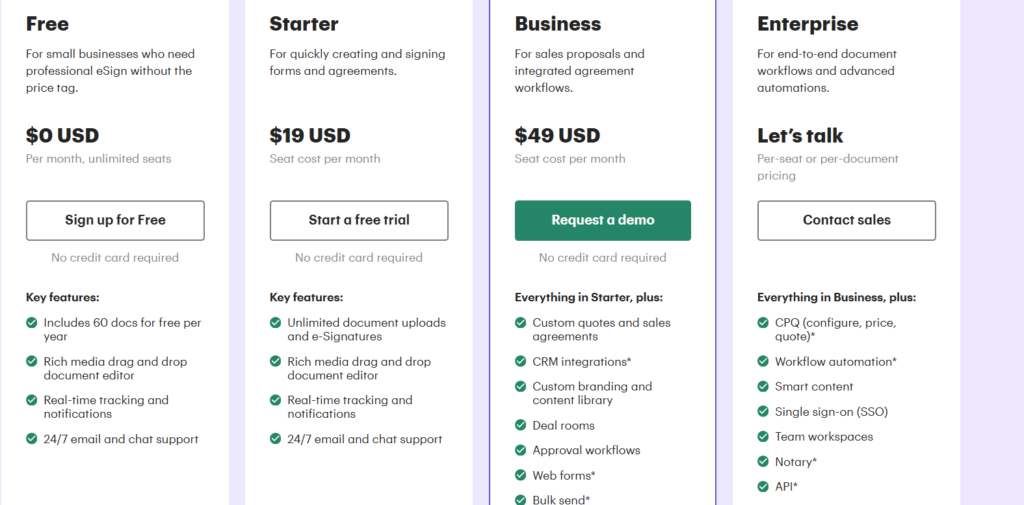
PandaDoc typically offers multiple subscription tiers to support different stages of business growth. pandadoc pricing generally separates plans based on functionality depth, collaboration features, and automation capabilities rather than raw document volume alone.
Entry-level plans focus on basic document creation and eSignatures, while higher tiers introduce advanced workflows, CRM integrations, analytics, and approval logic. This tiered approach allows companies to start small and expand without migrating platforms.
Core features that influence overall cost
Several feature categories play a key role in determining plan value. pandadoc pricing increases as automation, branding, and reporting become more advanced. For many teams, the biggest jump in perceived value comes from workflow automation rather than document creation itself.
Features such as reusable templates, content libraries, approval routing, and audit trails often justify moving beyond entry-level plans. These capabilities reduce manual work and errors, which can offset subscription costs through operational efficiency.
Ideal use cases for each pricing tier
Different teams benefit from different plan levels. pandadoc pricing at the lower end is typically well suited for freelancers, small agencies, or early-stage startups that need fast document turnaround without complex workflows.
Mid-level plans are commonly adopted by sales teams that rely on proposals and contracts at scale. Enterprise tiers are usually chosen by organizations with strict compliance needs, custom integrations, and cross-department collaboration requirements.
Cost comparison table by plan intent
| Plan Intent | Best For | Typical Features Included | Cost Sensitivity |
|---|---|---|---|
| Basic document signing | Individuals and small teams | eSignatures, basic templates | Low |
| Sales enablement | Growing revenue teams | CRM integrations, analytics | Medium |
| Workflow automation | Operations and legal teams | Approvals, advanced automation | Medium to high |
| Enterprise deployment | Large organizations | Custom security, support, APIs | High |
This table helps align business intent with plan selection rather than focusing only on headline pricing numbers.
Hidden considerations teams often overlook
Beyond subscription fees, there are operational considerations that affect perceived cost. pandadoc pricing may not include factors such as onboarding time, internal training, or change management effort. These indirect costs should be considered when evaluating total return on investment.
Another overlooked aspect is scalability. Teams that anticipate rapid growth should consider whether upgrading later will disrupt workflows or data structures. Planning ahead can reduce friction and unexpected expenses.
Comparing PandaDoc with alternative tools
When compared to competitors, PandaDoc often positions itself as an all-in-one document workflow platform. pandadoc pricing can appear higher than basic eSignature tools, but it often replaces multiple point solutions used for proposals, approvals, and document tracking.
For teams that only need simple signatures, lower-cost tools may suffice. However, organizations that want end-to-end document automation often find more value in a consolidated platform even at a higher monthly rate.
When upgrading plans makes financial sense
Upgrading should be driven by usage patterns rather than feature curiosity. pandadoc pricing tiers make the most sense when new features directly reduce manual work or accelerate revenue cycles.
For example, if proposals require multiple approvals or frequent revisions, automation can save hours per document. In such cases, higher subscription costs may be offset by productivity gains within weeks.
Budgeting tips for long-term use
To manage costs effectively, teams should review usage quarterly. pandadoc pricing becomes more cost-efficient when features are fully utilized across departments rather than limited to a single function.
Assigning internal ownership for templates, workflows, and integrations also ensures that the platform evolves with business needs instead of becoming underused over time.
FAQ’s
How often does pandadoc pricing change
Pricing updates are infrequent, but features within plans may evolve over time as the platform adds capabilities.
Is pandadoc pricing based on number of users or documents
Most plans are user-based, with feature access determined by the subscription tier rather than document count alone.
Can teams start small and upgrade later
Yes, many businesses begin with basic plans and move up as their document workflows become more complex.
Does pandadoc pricing include customer support
Support availability depends on the plan, with higher tiers offering faster response times and dedicated assistance.
Is annual billing more cost-effective
Annual subscriptions typically offer discounts compared to monthly billing, making them attractive for long-term users.
By understanding structure, intent, and hidden factors, businesses can evaluate pandadoc pricing more confidently and choose a plan that supports both current needs and future growth.